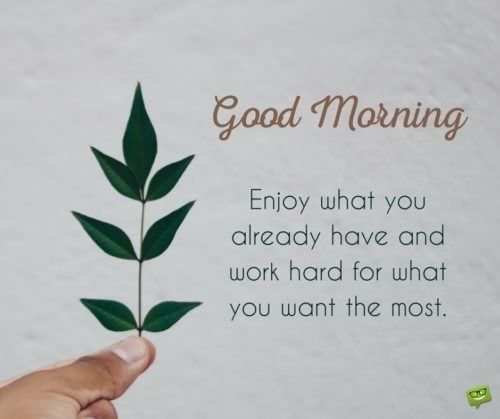
Ever feel like hitting snooze and hiding under the covers instead of facing another workday? You’re not alone. But what if you could flip that feeling with a simple dose of morning motivation for work? Starting your day with the right mindset can make all the difference, not just for you, but for your entire team.
At a glance:
- Motivational quotes can boost your mood, focus, and productivity.
- Sharing positive messages can improve team morale and collaboration.
- Personalize quotes to address specific workplace challenges.
- Combine inspirational quotes with practical actions for best results.
- Avoid "quote fatigue" by rotating your sources and themes.
Why Morning Motivation Matters: The Science-Backed Benefits
We all know that a positive attitude is generally a good thing. But does it really impact our work? Turns out, science says yes. That "golden hour" after waking, when your brain is most receptive, is the perfect time to prime yourself for success.
According to Harvard Business School research, reading inspirational quotes within 30 minutes of waking maximizes neuroplasticity benefits – essentially, rewiring your brain for positivity. Studies from Stanford University also show that positive energy messaging can increase task completion rates by 22% and reduce stress-related sick days by 19%. Starting your day with the right message sets the tone for increased job satisfaction and a supportive work environment. So, if you want to ensure your team is ready to go, good morning team can be a great way to start.
But the benefits extend beyond just feeling good. A positive morning routine can literally change your brain chemistry. Activities that release dopamine and serotonin, like reading inspirational quotes, enhance focus and improve your decision-making abilities throughout the day.
The Power of Quotes: Finding the Right Words
So, what's so special about quotes? They're concise, memorable, and packed with wisdom. They distill complex ideas into easily digestible nuggets of inspiration. Here are some examples of how famous figures have used quotes to motivate:
- Persistence: Henry David Thoreau: "Success usually comes to those who are too busy to be looking for it."
- Action: Walt Disney: "The way to get started is to quit talking and begin doing."
- Purpose Steve Jobs said "The only way to do great work is to love what you do."
- Teamwork Booker T. Washington: "If you want to lift yourself up, lift up someone else.”
- Resilience: C.S. Lewis: “Hardships often prepare ordinary people for an extraordinary destiny."
- Confidence: Theodore Roosevelt: "Believe you can and you’re halfway there.”
- Hard Work: Thomas Jefferson: “I find that the harder I work, the more luck I seem to have.”
- New Beginnings Buddha: “Every morning we are born again. What we do today matters most.”
Quotes like these can serve as a daily reminder of your potential and help you overcome challenges.
How to Effectively Use Motivational Quotes at Work
Simply reading a quote isn't enough. To truly harness their power, you need a strategic approach. Here's how to incorporate motivational quotes into your workday effectively:
- Personalization: Tailor your quotes to specific workplace challenges. Is your sales team facing a tough quarter? Focus on quotes about resilience and perseverance. Are you managing a large project? Share quotes about teamwork and collaboration.
- Combining Inspiring team morning quotes with personalization is a great way to encourage your staff.
- Rotation: Don't use the same quote every day. Vary your sources and themes to avoid "quote fatigue." Different quotes on different days of the week can keep things fresh and impactful.
- Strategic Sharing: Time your messages strategically. Is someone facing a difficult presentation? Send them an uplifting quote beforehand. Launching a new project? Share a quote about innovation and taking risks.
- Technology Integration: Use technology to your advantage. Set phone reminders with inspirational quotes. Share quotes on team communication apps like Slack or Teams.
- Combine with Actions: Don't just read the quote passively. Write it down, speak it aloud, or associate it with a physical movement. The more you engage with the quote, the more impact it will have.
- Measurement: Track your progress. Are you feeling more motivated? Is your team more productive? Are you achieving your goals? Monitor your mood, productivity, and goal progression to see what works.
- Variety: Rotate between different types of quotes. Use quotes about success, professional development, and even funny work quotes to keep things interesting.
- External Resources: Explore external resources. Follow successful entrepreneurs on social media. Subscribe to leadership podcasts. Find sources of inspiration that resonate with you.
Integrating Quotes Into Your Daily Routine: Practical Examples
Let's get practical. How can you actually use these strategies in your daily routine?
- Start your day with intention: Before checking your email or attending to urgent tasks, take a few minutes to read a motivational quote.
- Create a visual reminder: Post a quote on your desk, computer monitor, or in a common area.
- Share with your team: Send a daily or weekly motivational quote to your team via email or chat.
- Use quotes in meetings: Start or end your meetings with a relevant quote.
- Reflect on the quote: Throughout the day, take a few moments to reflect on the meaning of the quote and how it applies to your work.
For example, a project manager could send this quote before a big project meeting: "Coming together is a beginning, staying together is progress, and working together is success." - Henry Ford. It reminds the team of the importance of collaboration.
Avoiding the Pitfalls: What Not to Do
While motivational quotes can be powerful, it's important to avoid some common pitfalls:
- Toxic Positivity: Don't use quotes to downplay or ignore real workplace problems. Acknowledge challenges and address them directly. Positive thinking shouldn't be a substitute for real solutions.
- Quote Overload: Don't bombard yourself or your team with too many quotes. Quality over quantity is key.
- Generic Quotes: Avoid generic, cliché quotes that lack substance. Choose quotes that are meaningful and relevant to your work.
- Ignoring Action: Don't rely solely on quotes for motivation. Combine them with practical action steps to achieve your goals. Remember, inspiration without action is just wishful thinking.
Addressing Common Questions and Misconceptions
Let's tackle some frequently asked questions about morning motivation for work:
- Q: Do motivational quotes really work?
- A: Yes, but their effectiveness depends on how you use them. They're not a magic bullet, but they can be a powerful tool when combined with other strategies.
- Q: What if I'm not a "quote person"?
- A: That's okay! You don't have to force it. Find other sources of inspiration that resonate with you, like podcasts, books, or mentors. The point is to start your day positively.
- Q: How do I avoid "quote fatigue"?
- A: Vary your sources, themes, and delivery methods. Don't rely solely on quotes. Mix in other motivational activities, like exercise, meditation, or spending time in nature.
- Q: Is my team unmotivated?
- A: It depends. There may be other things going on, but try Boost team motivation with motivational quotes and see if that helps!
Creating a Positive Morning Mindset: Beyond Quotes
While quotes are a great starting point, they're just one piece of the puzzle. To create a truly positive morning mindset, consider incorporating these additional strategies:
- Gratitude: Take a few minutes each morning to reflect on what you're grateful for.
- Affirmations: Repeat positive affirmations to yourself. According to one study, positive affirmations in the morning can lead to a 23% higher job satisfaction!
- Exercise: Get your blood flowing with a quick workout or walk.
- Meditation: Practice mindfulness meditation to calm your mind and focus your thoughts.
- Healthy Breakfast: Fuel your body with a nutritious breakfast to power you through the morning.
Examples of Quotes for Different Work Scenarios
Here are some specific examples of quotes you can use in different work scenarios:
- For sales teams facing a tough quarter: "The difference between ordinary and extraordinary is that little extra." - Jimmy Johnson
- For project managers launching a new project: "The best way to predict the future is to create it." - Peter Drucker
- For customer service representatives dealing with difficult customers: "Kindness is a language which the deaf can hear and the blind can see." - Mark Twain
- For entrepreneurs taking risks: "The biggest risk is not taking any risk." - Mark Zuckerberg
These can also work for a good morning workers messages.
From Inspiration to Action: Making Motivation Stick
Ultimately, the goal of morning motivation is to inspire action. Here's how to make your motivation stick:
- Set clear goals: Define what you want to achieve and create a plan to get there.
- Break down tasks: Divide large tasks into smaller, more manageable steps.
- Prioritize: Focus on the most important tasks first.
- Take consistent action: Don't wait for the perfect moment. Start now and keep moving forward.
- Celebrate successes: Acknowledge and celebrate your accomplishments along the way.
Remember, motivation is a muscle. The more you use it, the stronger it will become. By incorporating motivational quotes and other positive habits into your morning routine, you can unlock your full potential and create a more fulfilling and productive work life.